
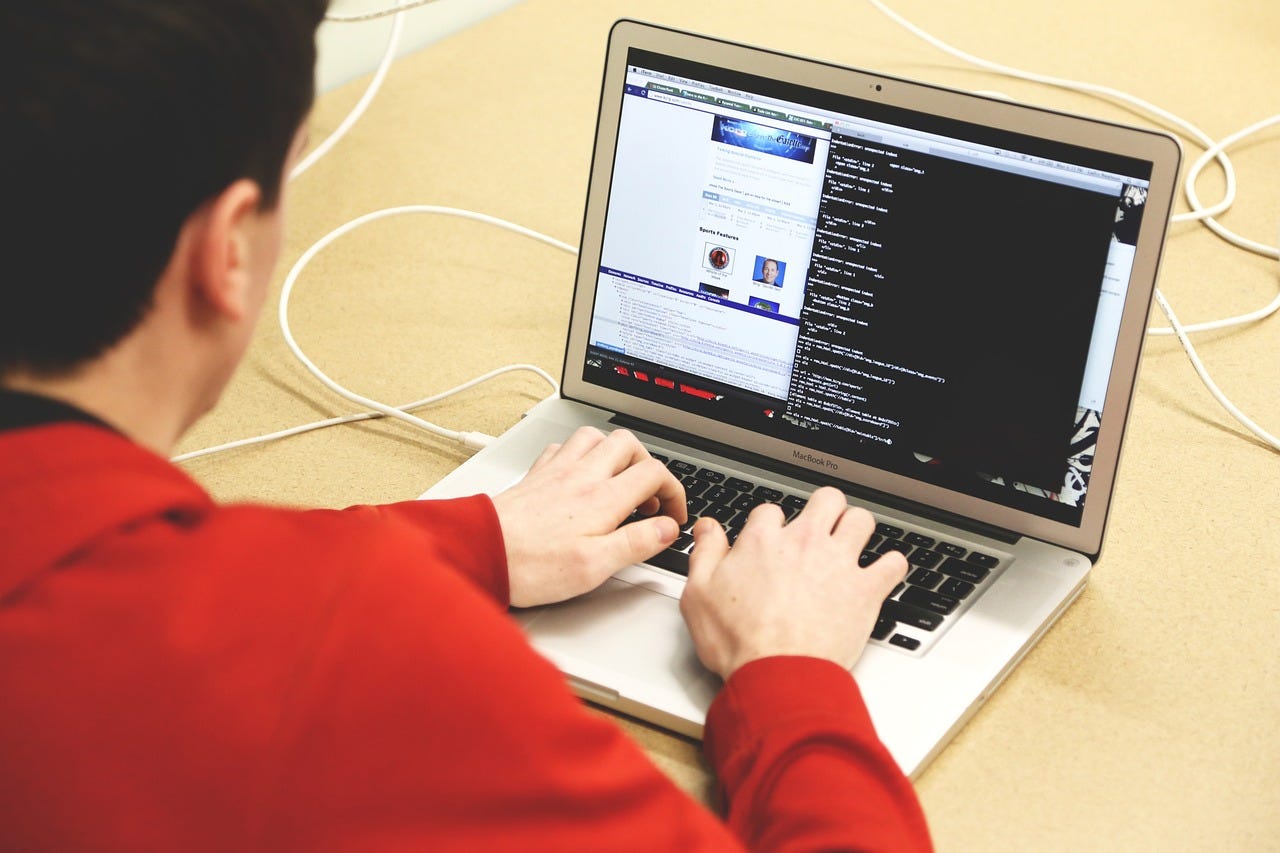
The alarm goes off at 7 am, and instead of rushing to catch a train or bus, many simply turn around, open their laptop and find themselves in their workspace. The era of remote work has transformed the way we live and work, and, as Daniel and so many others have pointed out, the biggest challenge is not connectivity or productivity, but how to delineate the boundary between work and personal life.
The World in Your Living Room
The digital revolution has made it possible for us to connect with colleagues around the world from the comfort of our home. According to a survey of Stanford Institute for Economic Policy Research In 2022, approximately 42% of the US workforce will work from home full time. But this convenience comes with its set of challenges.
Blurred Lines
It's not just a catchy Robin Thicke song. Blurred lines between work and personal life are a growing concern. Without the daily commute or physical change from a workplace to a home, the brain often struggles to switch modes. For many, the place where they work, rest, sleep and play is the same. How, then, to create a distinction?
Strategies for Balance
The current work scenario has led many of us to rethink not only how we work, but also how we balance work demands with personal ones. Remote work, which promises flexibility, can also blur the lines between our work and personal lives. Therefore, maintaining that balance becomes an art and a science in itself. Here are some strategies and their underlying challenges:
- Dedicated Space
- Challenge: Limited spaces, especially in shared homes or small apartments.
- Solution: Use modular furniture or room dividers. If space is very limited, put away your work equipment at the end of the day to mark the transition from work to personal time.
- Solid Routines
- Challenge: The temptation to work irregular hours or extend the day indefinitely.
- Solution: Set alarms for breaks and the end of the day. Make sure you do not work outside of designated hours, except in exceptional circumstances. But remember to make the most of the schedule agreed with your employer or project.
- Digital Disconnection
- Challenge: Feeling “always available,” especially in work cultures that value quick response.
- Solution: Clearly communicate your work schedules to your colleagues and superiors. Use tools that allow you to schedule responses or establish “out of office” times.
- Quality time
- Challenge: Feeling like you shouldn't take time for yourself or perceiving it as “wasted” time.
- Solution: Recognizes that rest and leisure are essential for mental health and productivity. Treat this time as an investment in your well-being.
- Clear Communication
- Challenge: Fear of being perceived as less committed when setting limits.
- Solution: Prepare yourself with data and arguments. Studies, such as those published by Harvard Business Review, suggest that setting clear boundaries improves productivity and reduces burnout. By communicating your needs, you could be starting a necessary dialogue throughout the organization.
Finally, it is worth noting that, according to Gallup, 88% of employees value a job that allows them to balance work and personal life. Companies that recognize and address these challenges, equipping their teams with the right tools and strategies, will be better positioned to thrive in the current and future workplace landscape.
Remote Work: More than a Benefit, a Mutual Responsibility
An oasis of flexibility in the desert of the traditional work routine, remote work has proven to be a blessing for many. According to Forbes, el 77% de los trabajadores afirman que son más productivos al trabajar desde casa. Sin embargo, no todo es sol y arcoíris en este paisaje digital. Con cada «beneficio» viene un nuevo desafío. Es como recibir un cupón de descuento para tu café favorito y darte cuenta de que solo es válido los lunes a las 7 a.m. ¿La ironía? Algunas veces parece que para cada ventaja del trabajo remoto, existe un equivalente desafío «escondido en la letra pequeña».
It's no surprise that with work just a click away, many struggle to disconnect. The Economist destaca que desde la transición a la modalidad remota, el tiempo de trabajo promedio ha aumentado en casi 2 horas diarias. A pesar de ello, no todos esos momentos son de máxima productividad. Por momentos, es como si nuestra laptop tuviera esa voz seductora que nos llama como las sirenas a Ulises, tentándonos a «solo revisar un correo más».
Entonces, ¿cuál es la solución? Como señalaba el filósofo griego Epicteto, «No se trata de lo que nos pasa, sino de cómo reaccionamos a ello». Frente al auge del teletrabajo, esa reacción debería ser de equilibrio, respeto mutuo y autodisciplina. Cerrar la laptop a tiempo, permitirse un respiro, y recordar que ser eficiente no significa estar disponible 24/7.

 English
  Spanish